 INSPECTION SERVICE
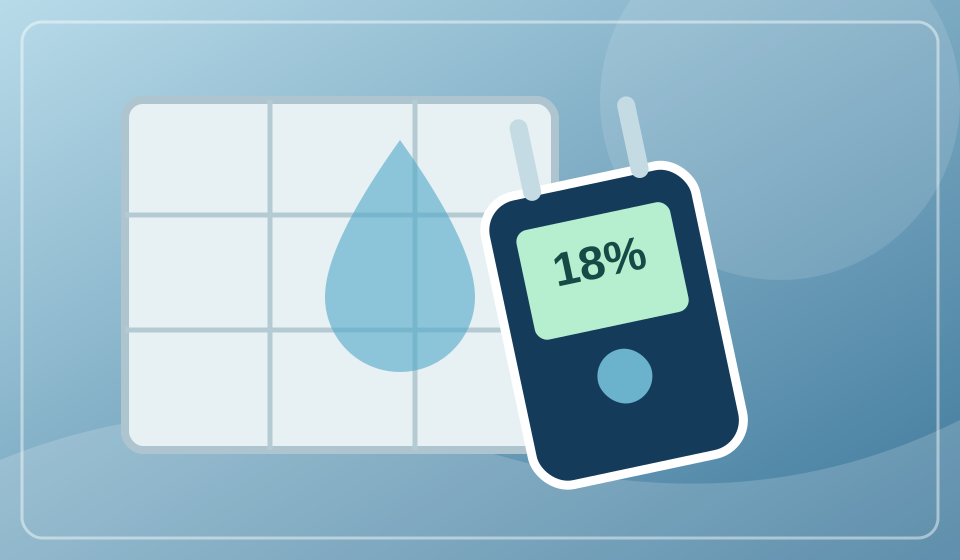
Moisture Detection
Moisture can accumulate behind walls, around plumbing, near windows, or after leaks. We use moisture-measuring equipment to check accessible areas and help locate conditions that may warrant further investigation. Moisture readings help guide an inspection but do not, on their own, establish whether mold is present.
 INSPECTION SERVICE
Mold Swab Sampling
When visible or suspected growth is accessible, surface swab samples can be collected from selected locations and submitted to a laboratory for analysis. Sampling can help characterize material at a specific spot; results are interpreted alongside the inspection findings and are not a complete assessment of every area in a building.
 INSPECTION SERVICE
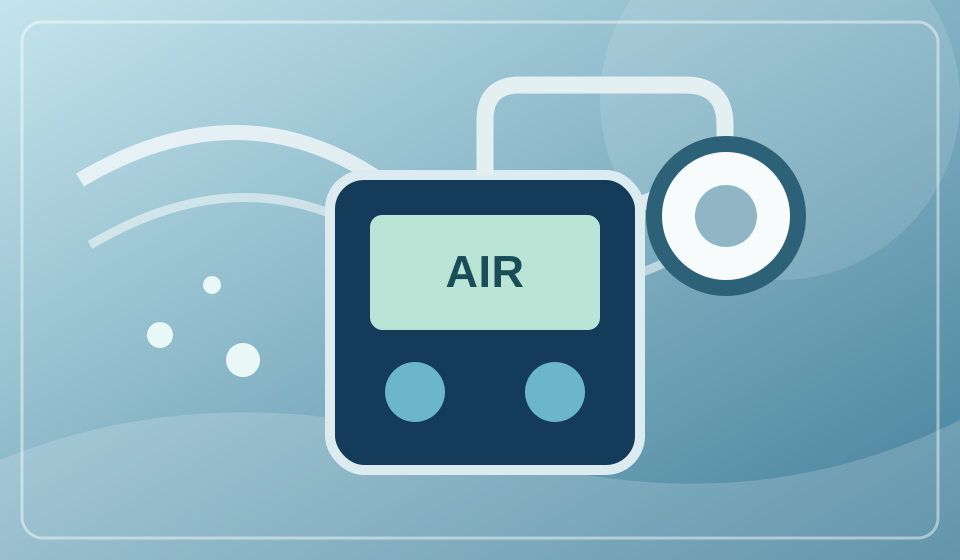
Air Sampling
Air samples may be collected in selected indoor locations and, when appropriate, compared with an outdoor reference sample. A laboratory analyzes collected samples for airborne fungal particles. Results represent the conditions and locations sampled at that time and should be considered together with moisture history and visual observations.
 INSPECTION SERVICE
Infrared Thermal Inspection
An infrared camera detects surface-temperature differences that may help us identify areas for closer examination, including possible moisture-related anomalies. Thermal imaging does not see mold or confirm moisture by itself; suspicious areas are checked with additional inspection methods when accessible.
What happens after an inspection?
We discuss the findings and provide a report describing the inspected areas, observations, and applicable sampling results. The scope and need for laboratory testing depend on your property's circumstances.
Request an Inspection →